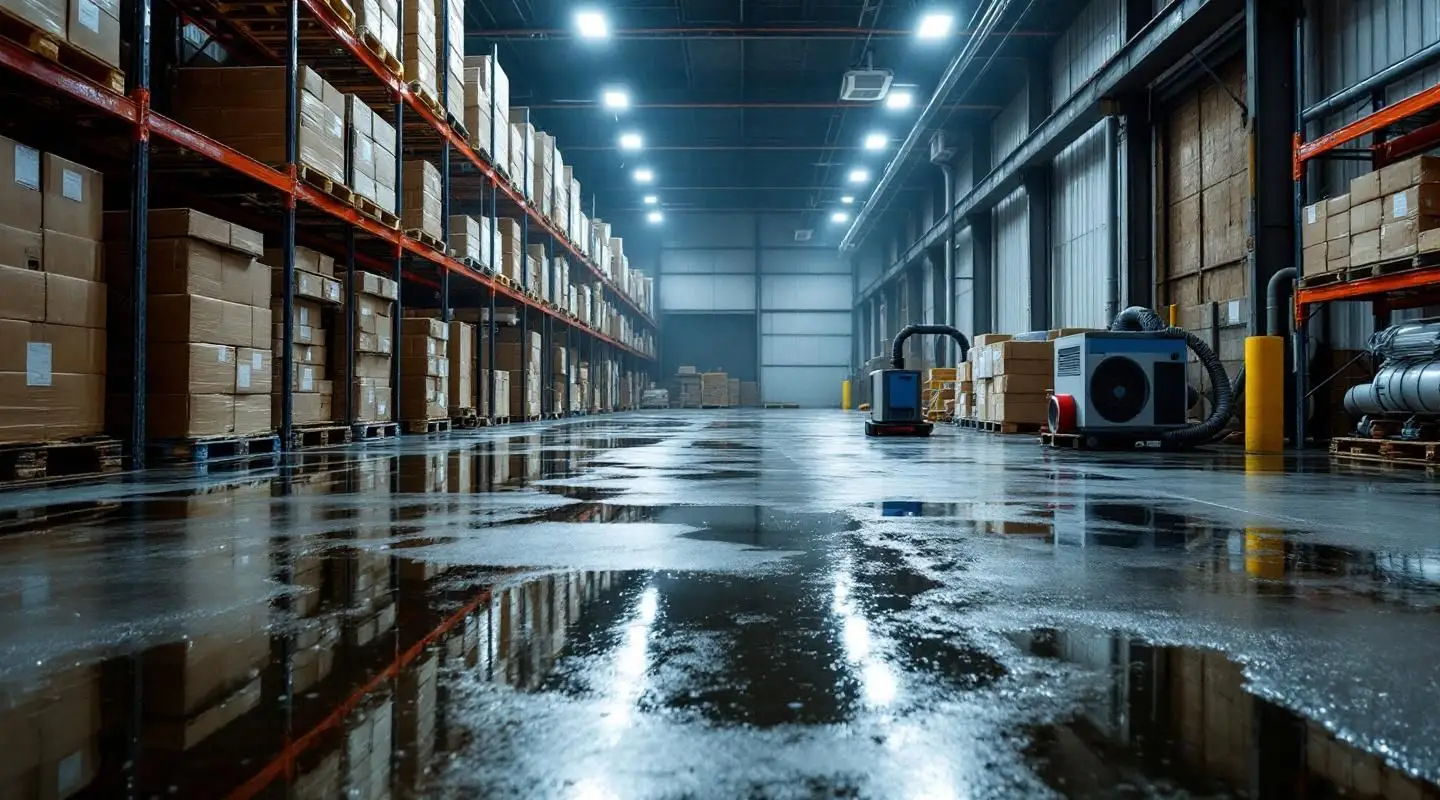
When a main line bursts or a storm compromises a massive flat roof in Garland, the clock starts ticking against your bottom line. You aren’t just dealing with a few puddles; you’re looking at thousands of square feet of saturated concrete and potentially millions in compromised inventory. Our team understands that every hour your loading docks are silent represents a mounting financial loss. We arrive on-site ready to deploy high-capacity commercial water extraction equipment that handles the scale of North Texas industrial facilities, from the I-30 corridor to the PGBT industrial parks. We don’t just mop up; we stabilize the entire environment to protect your structural integrity.
Drying a warehouse isn’t as simple as opening the bay doors and hoping for a breeze. Because Garland’s high summer humidity often stalls natural evaporation, we use desiccant drying systems to pull moisture from the air and the building’s structural elements. Our experienced technicians follow the IICRC S500 standard to ensure that moisture mapping covers every inch of your racking systems and office annexes. We use thermal imaging inspection to find water that has wicked up into drywall or trapped itself under epoxy flooring, preventing the hidden mold growth that often triggers a second, more expensive remediation event months later. We focus on concrete slab drying to ensure moisture doesn’t migrate back into your stored goods.
You also have to consider the specific risks of category 2 or category 3 water intrusion, especially if a roof failure allowed stagnant water to collect or if a sewage backup occurred near your processing areas. These scenarios require more than just drying; they demand rigorous decontamination and inventory loss documentation for your insurance carrier. We help you navigate the complexities of large-loss restoration by providing the detailed moisture readings and line-item estimates that adjusters require. By focusing on rapid response and stabilizing the environment quickly, we help you protect your fleet, your equipment, and your reputation with your own clients. We treat your business continuity as the primary metric of our success.
When a pipe bursts in a 50,000-square-foot facility or a flash flood hits the I-30 industrial corridor, the clock starts ticking against your bottom line. Professional warehouse water damage cleanup is about more than just removing standing water; it is a specialized race to prevent secondary losses like mold colonization and structural degradation of concrete slabs. We use high-capacity commercial water extraction and moisture mapping to identify exactly where water has traveled, even under heavy racking systems or inside wall cavities. By acting quickly, you minimize the duration of business interruption, ensuring that your loading docks stay active and your commitments to clients remain unbroken.
In the high-humidity environment of North Texas, simply opening the bay doors won’t cut it. We deploy large-scale desiccant drying systems that pull moisture from the air and the building’s substrate far more effectively than standard fans. This is critical for protecting sensitive inventory and preventing the corrosion of fleet vehicles or electrical systems. Our experienced technicians follow the IICRC S500 standard to provide the rigorous documentation your insurance adjuster requires. This detailed reporting on inventory loss and drying progress helps bridge the gap between facility managers and providers, ensuring the claim process moves as fast as the restoration itself.
RAPID EXTRACTION — We use truck-mounted units to clear large-scale flooding from loading docks and bay floors before it seeps into inventory.
MOISTURE MAPPING — Thermal imaging and deep-sensing probes find hidden pockets of water behind tilt-wall panels and under concrete slabs.
INVENTORY PROTECTION — Strategic containment barriers isolate affected zones, allowing your crew to continue operations in dry areas of the warehouse.
INSURANCE COMPLIANCE — Detailed line-item documentation following IICRC standards simplifies the claim process for property managers and owners.
STRUCTURAL DRYING — High-capacity desiccant dehumidifiers stabilize indoor humidity to prevent mold growth in racking systems and packaging.
When your facility along the I-30 corridor takes on water, every minute translates to lost revenue and potential structural compromise. For a Warehouse Water Damage Cleanup in Garland, our team prioritizes a 60-to-90-minute arrival window to begin commercial water extraction immediately. We understand that North Texas storms can overwhelm roof drainage systems in hours. Upon arrival, we focus on stabilizing the environment to prevent Category 2 water from degrading into a more hazardous state. Our technicians immediately deploy high-capacity truck-mounted units to pull standing water off your concrete slabs, which is the first step in business interruption mitigation. You can check the latest local weather alerts via the Garland Emergency Management office to stay ahead of flash flood risks that often trigger these large-loss events.
Drying a massive concrete footprint requires more than just standard floor fans. For effective Warehouse Water Damage Cleanup in Garland, we use industrial desiccant drying systems that pull deep-seated moisture out of the slab’s pores. Concrete acts like a hard sponge; if you don’t use thermal imaging inspection and moisture mapping to verify dryness, you risk future floor coating failures or mold under racking systems. We monitor the ‘grains per pound’ of the air to ensure the environment meets IICRC S500 standards. This scientific approach prevents the long-term structural issues common in North Texas clay-soil environments where foundation shifts can complicate water intrusion. We don’t guess if it’s dry; we prove it with digital data.
In many cases, yes, we can keep your facility partially operational. During a Warehouse Water Damage Cleanup in Garland, we often use heavy-duty containment barriers to isolate the affected loading docks or racking aisles from your active shipping zones. This allows your crew to continue fulfilling orders while we handle the industrial dehumidification in the flooded areas. We follow OSHA 29 CFR 1910 standards to ensure the work zone is safe for both our restorers and your employees. By phasing the restoration, we minimize the financial impact of a total shutdown. Our goal is to protect your inventory and your reputation with your clients by keeping the supply chain moving while we work.
Documentation is the backbone of a successful commercial claim. For any Warehouse Water Damage Cleanup in Garland, we provide a detailed line-item estimate and a comprehensive moisture map that your insurance adjuster will require. We document everything from warehouse racking damage to saturated palletized inventory using high-resolution photos and thermal imaging. This level of detail helps prevent disputes over the scope of work. Since Texas Department of Insurance regulations are specific about how commercial losses are handled, we ensure our reporting is transparent and follows the IICRC S500 standard perfectly. Our experienced technicians work directly with your risk management team to ensure no detail is missed during the inventory loss documentation process.
The difference between Category 2 and Category 3 water is primarily the level of contamination. Category 2, or ‘grey water,’ might come from a sprinkler system malfunction and contains some chemicals or microorganisms. Category 3 is ‘black water,’ often involving sewage backups or storm-driven floodwater that has traveled over ground. In a Warehouse Water Damage Cleanup in Garland, Category 3 requires hazmat-level PPE and much more aggressive disposal protocols for porous materials. If your warehouse stores food, pharmaceuticals, or sensitive textiles, even a small Category 3 intrusion can lead to total inventory loss due to health regulations. We identify the water source immediately to determine the correct sanitization path and protect your staff from biohazard exposure.
Don’t let a water intrusion event turn into a permanent loss of inventory or a month-long business interruption. Every hour your concrete slab stays saturated, the risk of mold colonization and racking corrosion climbs. We understand that for a facility manager in Garland, an idle loading dock is a financial drain you can’t afford. Our team is standing by with high-capacity desiccant drying systems and the large-loss experience needed to stabilize your environment and get your crew back to work.
We provide the detailed moisture mapping and inventory loss documentation your insurance adjuster requires to move your claim forward without friction. Whether you are dealing with a localized sprinkler malfunction or a massive roof failure after a North Texas storm, we have the mobilization speed to protect your bottom line. Call us now to get a professional crew on-site before the damage becomes structural.
When your facility is under six inches of water, you don’t need a residential “dry-out” crew; you need a commercial partner with the horsepower to handle tens of thousands of square feet. Quality Restoration is a locally owned and operated firm that understands the specific demands of Garland’s industrial corridor. Unlike national franchises that might fly in sub-contractors during a storm surge, our experienced technicians are based right here in North Texas, ready to deploy truck-mounted extraction units and high-capacity desiccant drying systems the moment you call.
We differentiate ourselves through a strict adherence to the IICRC S500 standard, ensuring every square foot of your concrete slab and racking system is documented and dried correctly. Our team doesn’t just “set fans” and leave. We use advanced moisture mapping and thermal imaging to prove the building is dry, providing the line-item documentation your insurance adjuster requires to approve a large-loss claim. Because we own our fleet of industrial desiccant drying systems, we can maintain lower daily equipment costs than firms that have to rent gear for every project. At Quality Restoration, we prioritize your business continuity, working around your logistics schedule to minimize the impact on your daily shipments and labor productivity.
Ignoring even a minor leak in a warehouse setting is a gamble with your bottom line. In Garland, where severe spring thunderstorms can quickly overwhelm aging roof membranes along the industrial corridors, a few inches of water on a concrete floor isn’t just a mess—it’s a full-scale halt to your supply chain. Every hour your loading docks are closed or your forklifts sit idle represents a compounding loss in revenue and wasted labor costs. Professional Warehouse Water Damage Cleanup is less about simple extraction and more about business interruption mitigation that keeps your contractual obligations on track and your facility operational.
Beyond the immediate surface water, the real danger lies in what you cannot see with the naked eye. Large-loss restoration requires specialized equipment far beyond standard fans; you need high-capacity industrial dehumidification to pull deep-seated moisture out of porous concrete slabs and prevent wicking into your warehouse racking systems. If comprehensive moisture mapping isn’t performed by experienced technicians, you risk long-term structural degradation or mold colonization inside wall cavities. This is especially critical in North Texas, where high summer humidity can turn a Category 2 water intrusion into a hazardous Category 3 contamination event in as little as 48 hours.
Proper documentation is the bridge between a catastrophic financial loss and a successful insurance recovery. When a sprinkler system malfunctions or a roof fails, property managers and tenants often find themselves at odds over liability. We use thermal imaging inspection and detailed moisture logs to provide the inventory loss documentation your adjuster requires to process a claim. By adhering strictly to the IICRC S500 standard, we ensure that every step—from the initial commercial water extraction to the final desiccant drying cycle—is defensible, professional, and designed to protect the value of your stored assets and the safety of your Garland facility.
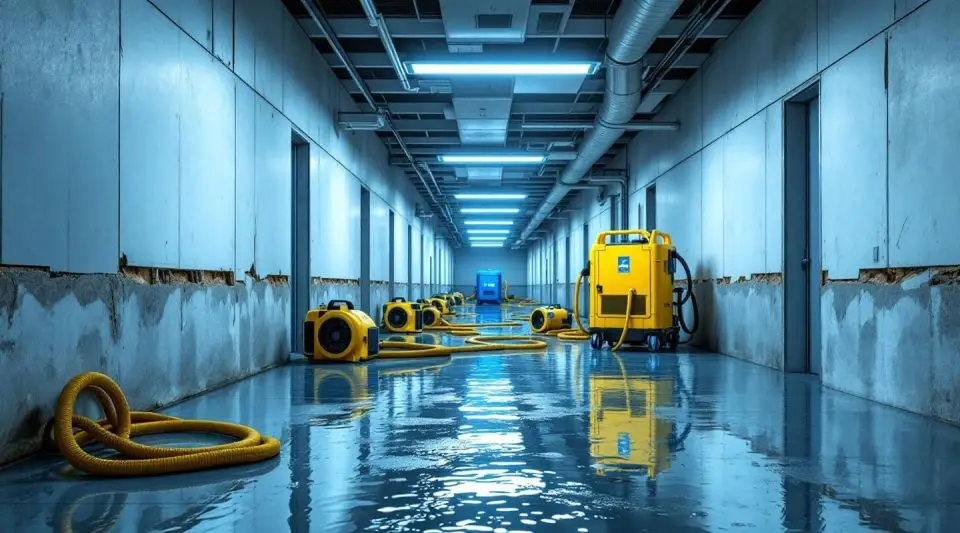
When a water main breaks or a North Texas storm overwhelms your facility's drainage, the clock starts ticking against your bottom line.
Learn more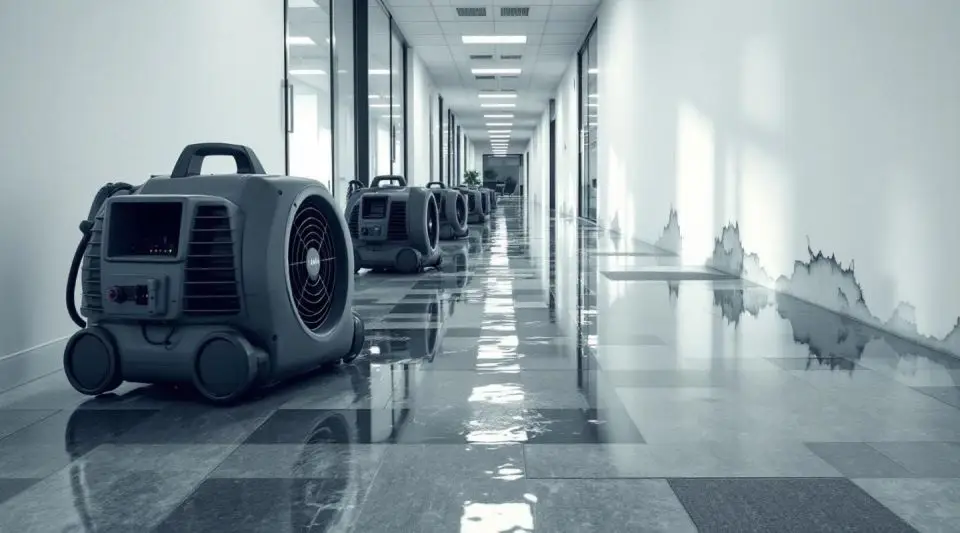
Garland office buildings face a unique set of hydrological challenges, from the expansive clay soil that directs surface water toward foundations to the sudden North Texas flash floods that overwhelm commercial storm drains.
Learn more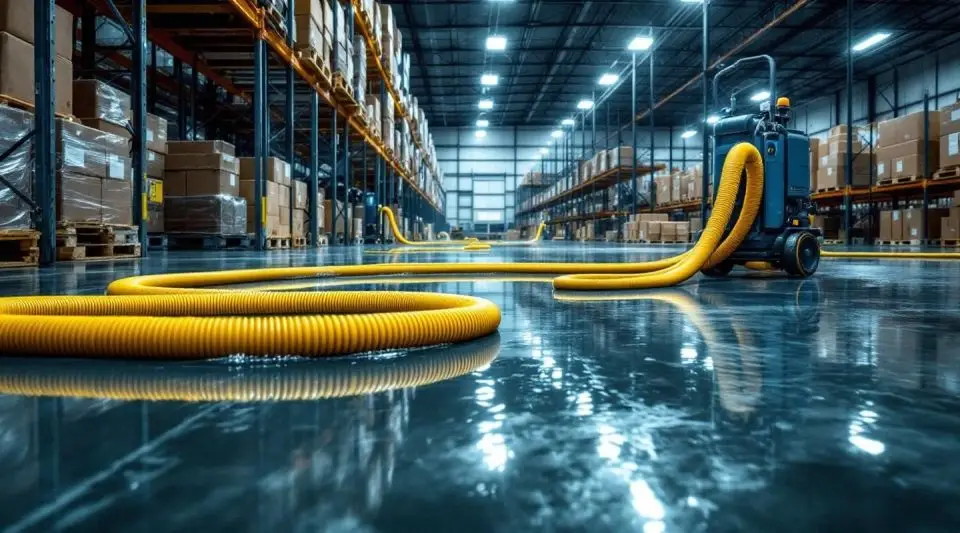
When a water main breaks or a storm overwhelms the drainage systems near the I-30 corridor, your facility doesn't just get wet—it stops.
Learn more
When a supply line fails on the fourth floor of a Garland hotel, the clock doesn't just start ticking for the building—it starts for your bottom line.
Learn more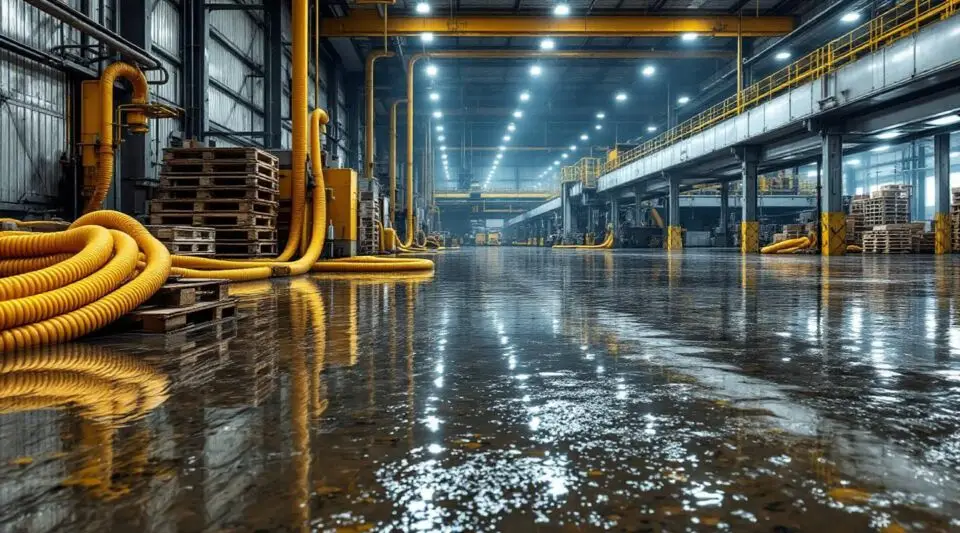
When a large-scale facility in Garland faces a sudden surge of water—whether from a North Texas supercell or a massive pipe burst—the clock starts ticking against your bottom line.
Learn more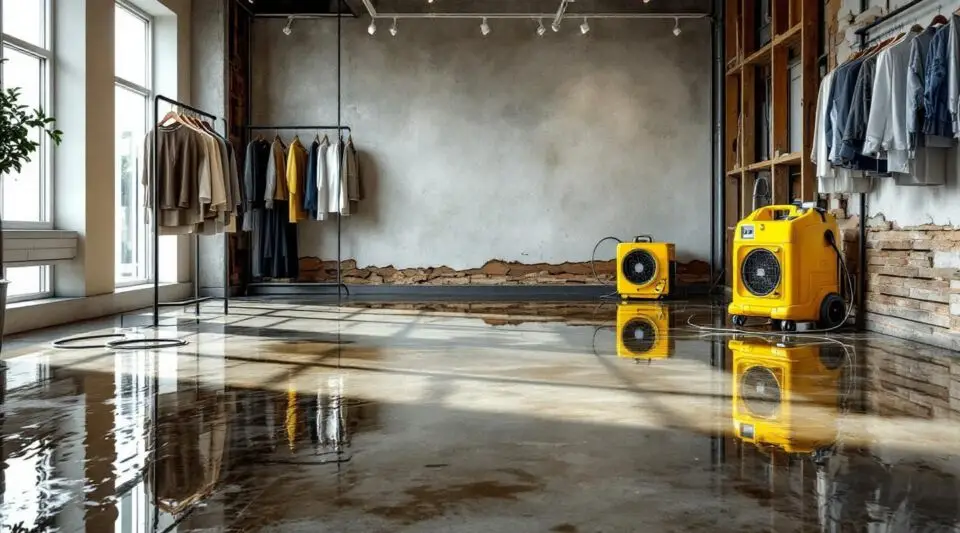
When a flash flood hits a Garland retail corridor like Belt Line Road, the clock doesn't just start ticking—it starts costing you money.
Learn more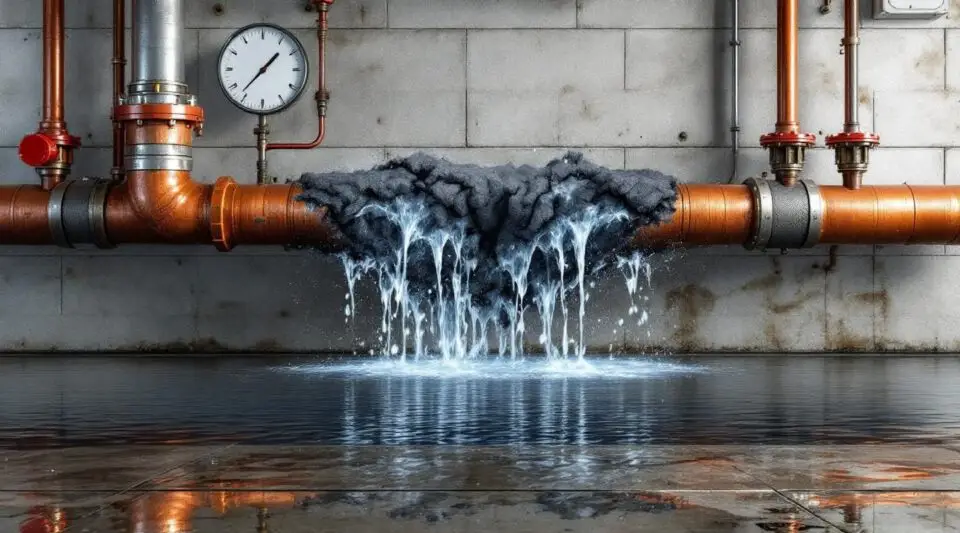
When a pressurized supply line failure occurs in a commercial facility, the volume of water released isn't measured in gallons, but in inches of standing liquid across thousands of square feet.
Learn moreThe service they offered to get rid of mold in our crawl space made a tremendous difference in the air quality in our home. They sealed off the area and fixed all the problems with the dampness.
Karla Espinoza
The water pipe from the fridge developed a steady leak that saturated the hardwood floors over time. The restoration team took up the boards, dried the subfloor, and even helped match the new flooring. nice work and nice communication all the time.
Angela Carrier
There was a big plumbing leak in our flat that ruined two rooms. This business was quick to respond and worked closely with our property manager. They took care of the water removal, drying, and repairs without getting in the way of our daily lives too much.
Blanche Turner
We found mold in the closet where our HVAC system resides. They completed a thorough check and had no issue finishing the repairs. The system functions perfectly now that the stench is gone.
Marilyn Watts
Over the weekend, a water line broke in my small workplace. The carpet was damaged by Monday morning. This business sent a crew out the same day to clean up the commercial water damage quickly and effectively. Kept downtime to a minimum.
yuliyan dzhenev