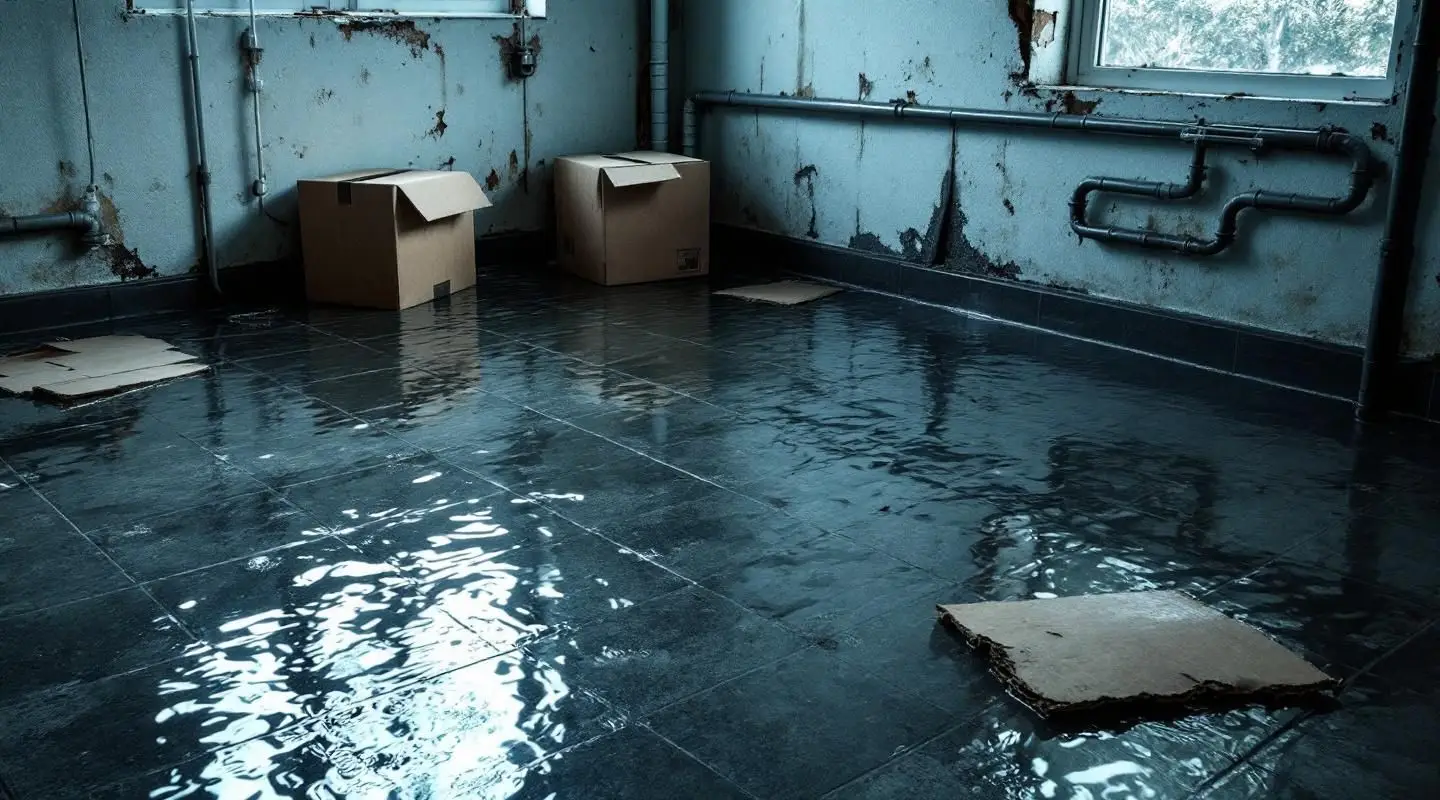
Walking into a flooded basement is a gut-punch for any Garland homeowner. Whether it’s a sudden sump pump failure after a North Texas supercell or slow seepage caused by rising hydrostatic pressure against your foundation, the clock is immediately ticking. You aren’t just dealing with a messy floor; you’re dealing with a structural threat that can lead to mold colonization in under 48 hours. Standing water quickly migrates into sill plates, drywall, and insulation, creating a hidden environment for decay that most DIY efforts simply cannot reach.
We don’t just suck up the surface water and leave. Our technicians follow the IICRC S500 standard to ensure your home is actually dry, not just “dry to the touch.” We use thermal imaging inspection to find moisture trapped behind finished walls or inside concrete block seepage points that the naked eye misses. This technical precision is critical because hidden pockets of Category 2 or Category 3 water can rot your framing and floor joists from the inside out, leading to expensive structural repairs months after the initial event.
Garland’s heavy clay soil expands aggressively when saturated, which often leads to foundation leaks that homeowners mistake for simple plumbing issues. If you’ve noticed efflorescence—that white, powdery salt—on your basement walls, it’s a sign that moisture is already winning. Our team understands these local conditions and uses high-capacity dehumidification to pull deep-seated moisture out of the air and the building materials. We monitor the drying progress daily, adjusting our equipment to maintain the specific vapor pressure needed for a complete recovery.
We handle the heavy lifting, from submersible pump extraction to the final moisture mapping report. You shouldn’t have to guess if your home is safe or if that lingering “basement smell” will ever go away. We provide the detailed documentation you need for insurance adjusters, ensuring the scope of work is transparent, technically sound, and focused on preventing secondary damage. When the water rises, we are the steady hands that bring your property back to a pre-loss condition.
The primary benefit of professional intervention is the total elimination of secondary damage. When you face a sump pump failure or a sudden storm surge in Garland, standing water removal is only the first step in a complex recovery process. Our team uses thermal imaging inspection to find moisture hiding behind finished drywall or trapped within concrete block seepage that the naked eye simply cannot detect. By addressing these hidden pockets immediately, we prevent the “wicking” effect where water climbs up your wall studs and ruins your home’s structural framing, often saving you thousands in reconstruction costs.
Choosing experienced technicians ensures your home follows the IICRC S500 standard for professional restoration. We don’t just pull out the water; we manage the environment to stop mold before it starts. Without professional-grade dehumidification, the North Texas humidity can turn a simple category 2 water event into a hazardous mold situation within 48 hours. We use moisture mapping to track the drying progress, ensuring that every square inch of your basement—from the vapor barrier to the subfloor—is returned to a safe, dry state. This level of precision protects your property value and keeps your family safe from the respiratory risks associated with hidden microbial growth.
RAPID EXTRACTION — We use high-volume submersible pump extraction to remove standing water before it can saturate your foundation or bottom plates.
MOLD PREVENTION — By controlling humidity levels immediately, we stop fungal spores from colonizing on organic materials like drywall and carpet padding.
STRUCTURAL INTEGRITY — Our moisture mapping identifies hydrostatic pressure risks and concrete block seepage that could lead to long-term foundation cracks.
SEWAGE DECONTAMINATION — For category 3 water events, we provide deep sanitization to remove biohazards and pathogens that make your basement unsafe.
INSURANCE ACCURACY — We provide detailed drying logs and thermal imaging reports that help your adjuster process your claim with clear, empirical evidence.
You really only have a 24 to 48-hour window before mold spores begin to colonize damp surfaces. In our humid North Texas climate, that timeline can feel even tighter. Effective Basement Flood Cleanup in Garland requires moving fast to extract standing water and immediately starting the dehumidification process. If moisture sits in your drywall or under flooring for more than two days, you are likely moving from a simple water extraction job into a much more complex mold remediation project. We use high-capacity air movers to disrupt the boundary layer of air on wet surfaces, forcing evaporation before fungi can take hold.
Coverage usually depends on where the water came from. If a pipe burst or a water heater failed, your standard policy typically covers the Basement Flood Cleanup in Garland. However, if the water seeped through foundation walls due to heavy rain or a rising water table, you usually need a separate policy through the National Flood Insurance Program. Many local homeowners also find they need a specific ‘sump pump failure’ endorsement. We recommend checking your policy for ‘water backup’ coverage, as we frequently work with adjusters to document these specific types of losses for our clients.
The total cost is driven by the water’s ‘category’ and whether your basement is finished or unfinished. Extracting clean water from a burst pipe in a concrete-floor basement is the most affordable scenario. Costs rise when we deal with Category 3 water—like a sewage backup—which requires intensive sanitation and the removal of porous materials. For finished basements, the labor to tear out saturated drywall and insulation adds to the total. Most reputable companies provide a line-item estimate based on the IICRC S500 standard, which includes equipment rental for the three to five days typically required for full structural drying.
While a shop-vac can handle surface-level puddles, it cannot pull moisture out of structural studs or from behind finished walls. Professional Basement Flood Cleanup in Garland is necessary because we use thermal imaging to find hidden pockets of water that you can’t see. If you leave that moisture trapped, hydrostatic pressure can eventually damage your foundation or lead to structural rot. Our experienced technicians ensure the environment reaches a ‘dry standard’ that prevents long-term damage. DIY efforts often miss the sub-floor moisture, leading to warped floorboards and persistent musty odors weeks after the event.
Absolutely. Any water originating from a floor drain or containing outdoor runoff is classified as Category 3, or ‘black water.’ This means it carries harmful pathogens and bacteria that pose a real health risk to your family. During Basement Flood Cleanup in Garland, we treat these scenarios with extreme caution, using specialized antimicrobial agents and industrial-grade HEPA scrubbers to clean the air. You should avoid contact with this water entirely. We follow strict protocols to sanitize the space, ensuring that once we leave, your basement is biologically safe to inhabit again, rather than just appearing dry to the naked eye.
When heavy North Texas storms saturate the clay soil around your foundation, the resulting hydrostatic pressure can force water through concrete blocks in an instant. You don’t have to face the muck and the rising humidity alone. Our Garland team arrives quickly with submersible pump extraction tools to stop the damage before mold gets a foothold in your drywall or framing.
We handle the heavy lifting, from moisture mapping to coordinating directly with your insurance adjuster. You can trust our experienced technicians to follow the IICRC S500 standard, ensuring your home is dry, safe, and free of category 3 contaminants. Call us now to get a professional crew on-site before a simple cleanup turns into a major structural repair.
Choosing Quality Restoration means you are partnering with a locally owned team that understands the unique challenges of North Texas basements. Unlike national franchises that apply a one-size-fits-all approach, we recognize how the clay-heavy soils in Garland increase hydrostatic pressure against your foundation. Our technicians are IICRC-certified, meaning we adhere to the strict IICRC S500 standards for every basement flood cleanup project. We don’t just pull out the standing water; we perform deep moisture mapping to ensure your concrete block walls are truly dry before we ever consider the job finished.
We know that the hours following a sump pump failure or a flash flood are the most critical for preventing mold. That is why our team prioritizes rapid response times that the big-box companies simply cannot match. Quality Restoration provides a level of transparency that is rare in this trade, using thermal imaging inspection tools to show you exactly where the water is hiding. You will never have to wonder if the job was done right because we document every step of the drying process for both you and your insurance provider.
Our commitment to the community goes beyond simple water extraction. We handle the complex coordination with insurance adjusters, ensuring that Category 2 or Category 3 water contamination is handled according to safety regulations. By choosing a local specialist over a general handyman, you ensure that your home is protected from the long-term structural risks that follow a flood event.
Ignoring a flooded basement, even for a day, can lead to catastrophic structural issues. In Garland, where our clay-heavy soils expand rapidly during heavy spring thunderstorms, the hydrostatic pressure against your foundation walls is immense. When standing water remains against these surfaces, it doesn’t just sit on the floor; it forces its way into the pores of your concrete blocks. This leads to efflorescence—that white, powdery mineral deposit—and eventually, structural weakening that a simple shop-vac simply cannot fix. You need more than just water removal; you need to relieve the pressure and dry the substrate.
The health risks of standing water are equally pressing and often invisible. Whether you are dealing with a sudden sump pump failure or a more severe sewage backup, the water is rarely ‘clean.’ We categorize these events according to the IICRC S500 standard to determine the level of contamination and the necessary safety protocols. Category 3 water, often containing sewage, is a legitimate biohazard that requires professional-grade antimicrobial treatments. Even with relatively clean water, mold spores begin colonizing within 24 to 48 hours. Without professional moisture mapping and thermal imaging inspection, you might dry the surface while leaving a hidden breeding ground for mold behind your drywall or under your vapor barrier.
Choosing professional intervention means you aren’t just removing water; you are stabilizing your home’s environment. Our experienced technicians use high-capacity submersible pump extraction and industrial-strength dehumidification to pull deep-seated moisture from the air and structural members. This precision prevents the lingering ‘basement smell’ and protects your property value. We also provide the detailed documentation your insurance adjuster needs, ensuring your claim covers the full scope of necessary restoration rather than just a surface-level dry-out that leaves you vulnerable to future rot.
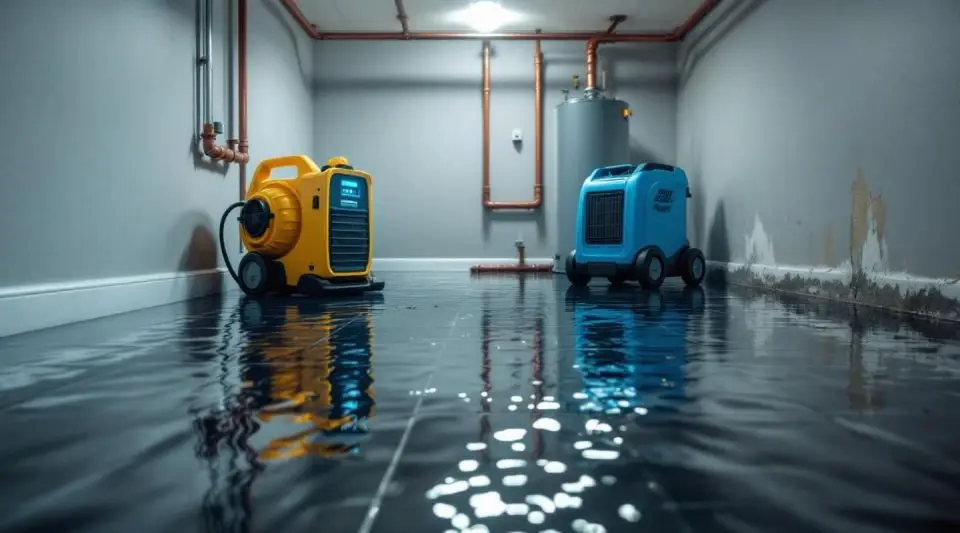
Walking into your home and hearing the sound of rushing water where there should be silence is a gut-wrenching experience.
Learn more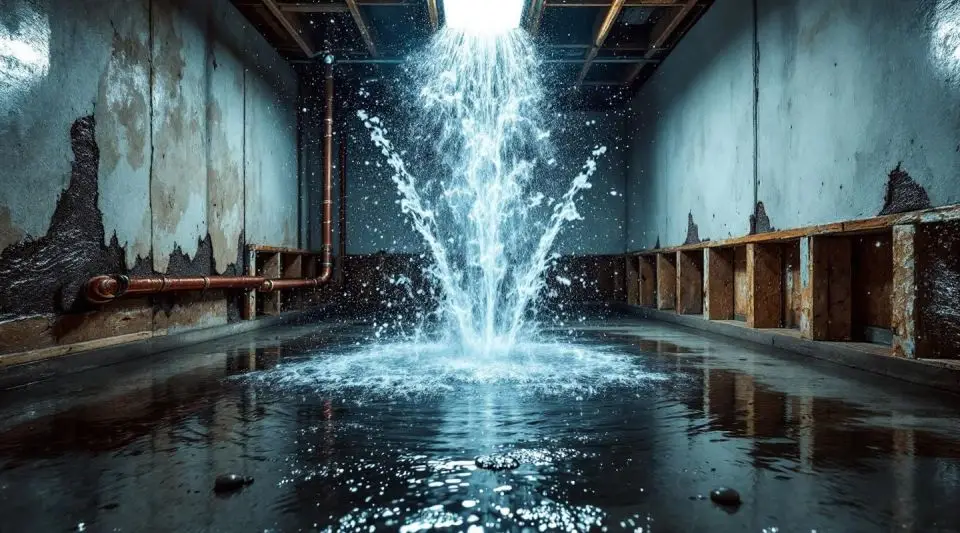
When a copper line or an aging polybutylene pipe finally gives way inside your Garland home, the transition from a quiet evening to a full-scale emergency happens in seconds.
Learn more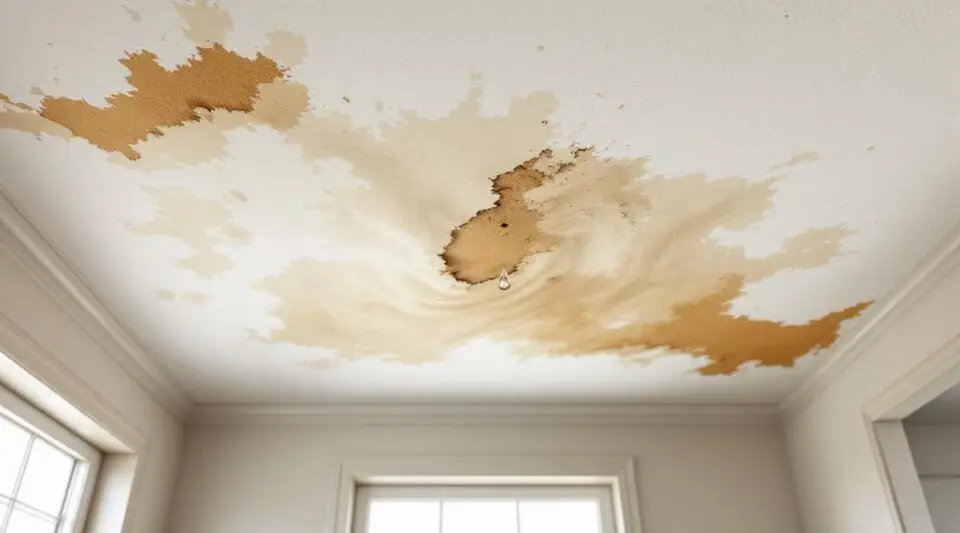
Discovering a bulging, discolored spot on your ceiling is a stressful moment for any homeowner.
Learn more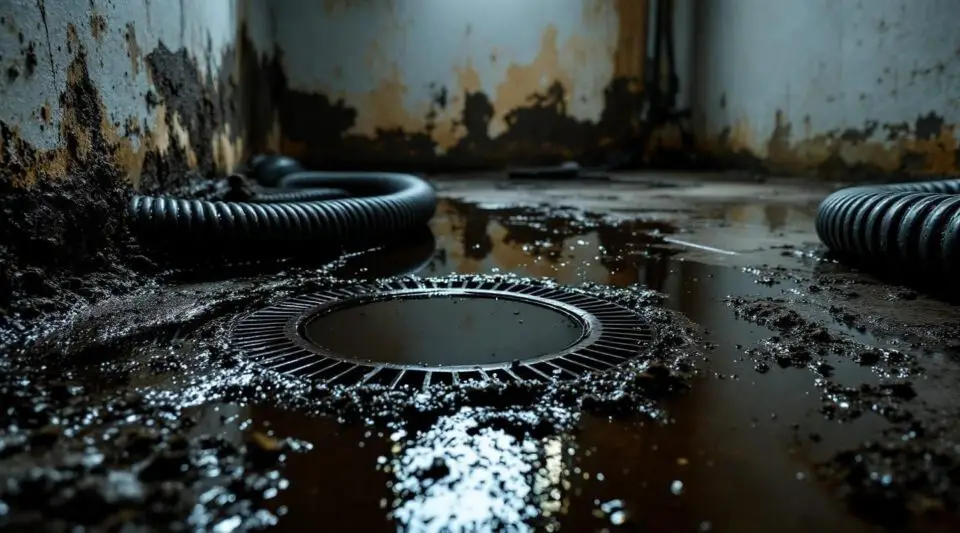
Walking into a home after a sanitary sewer overflow is a visceral, heavy experience that goes far beyond a simple plumbing leak.
Learn more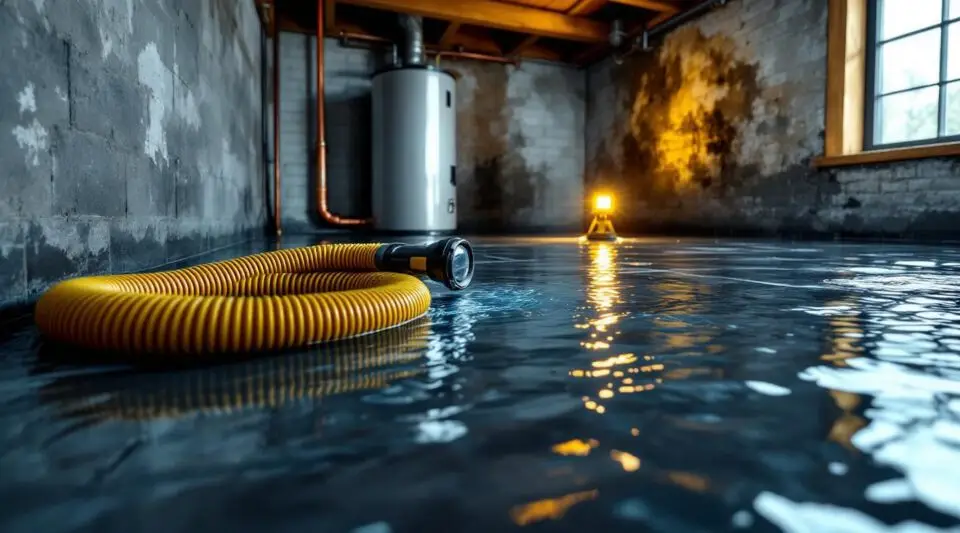
When a supply line snaps or a flash flood sends North Texas rainwater over your threshold, the clock starts ticking against your home's structural integrity.
Learn more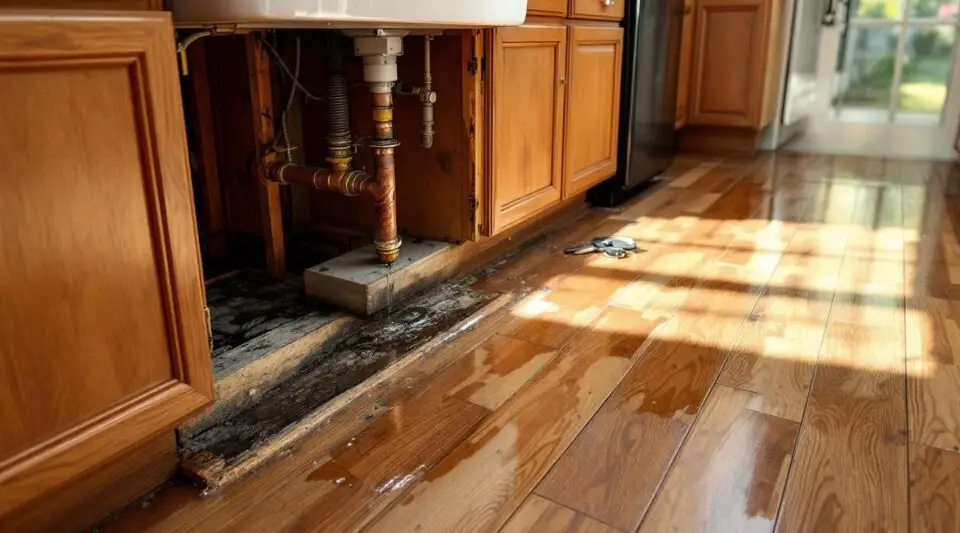
You walk into your kitchen and feel that unmistakable squish of saturated laminate or see a pool creeping out from under the island.
Learn more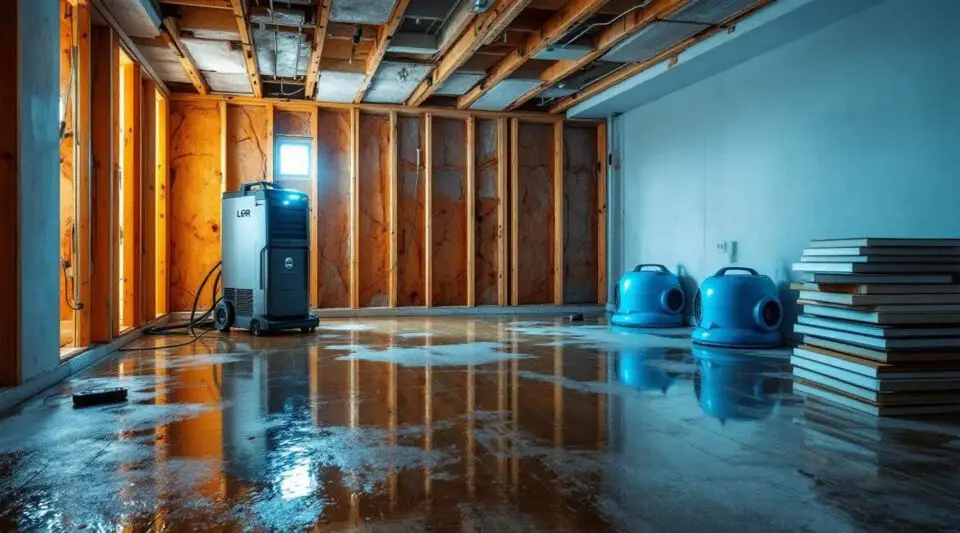
When a sudden pipe burst or a North Texas supercell leaves your living room standing in three inches of water, the clock starts ticking against your home’s structural integrity.
Learn moreOver the weekend, a water line broke in my small workplace. The carpet was damaged by Monday morning. This business sent a crew out the same day to clean up the commercial water damage quickly and effectively. Kept downtime to a minimum.
yuliyan dzhenev
There was a big plumbing leak in our flat that ruined two rooms. This business was quick to respond and worked closely with our property manager. They took care of the water removal, drying, and repairs without getting in the way of our daily lives too much.
Blanche Turner
The water pipe from the fridge developed a steady leak that saturated the hardwood floors over time. The restoration team took up the boards, dried the subfloor, and even helped match the new flooring. nice work and nice communication all the time.
Angela Carrier
The service they offered to get rid of mold in our crawl space made a tremendous difference in the air quality in our home. They sealed off the area and fixed all the problems with the dampness.
Karla Espinoza
We found mold in the closet where our HVAC system resides. They completed a thorough check and had no issue finishing the repairs. The system functions perfectly now that the stench is gone.
Marilyn Watts